What is an Auto Belt Tensioner and How Does it Work?
The Auto Belt Tensioner plays a crucial role in the functioning of automotive engines. According to industry reports, nearly 80% of vehicle breakdowns are attributed to belt-related issues, often due to improper tension. This essential component maintains the correct amount of tension on the serpentine or timing belt. It ensures efficient power transfer between the engine and accessories, such as the alternator and water pump.
Experts recognize that an Auto Belt Tensioner not only enhances performance but also increases the lifespan of engine components. A malfunctioning tensioner can lead to significant wear and tear, resulting in costly repairs. Research indicates that routine inspections of this component can prevent unexpected failures.
Despite advancements in technology, the Auto Belt Tensioner remains susceptible to wear from environmental factors, vibration, and heat. It's vital to reflect on the importance of regular maintenance. While modern tensioners are designed for durability, neglect cannot be overlooked. Understanding its function and influence can pave the way for better vehicle performance and reliability in the long run.
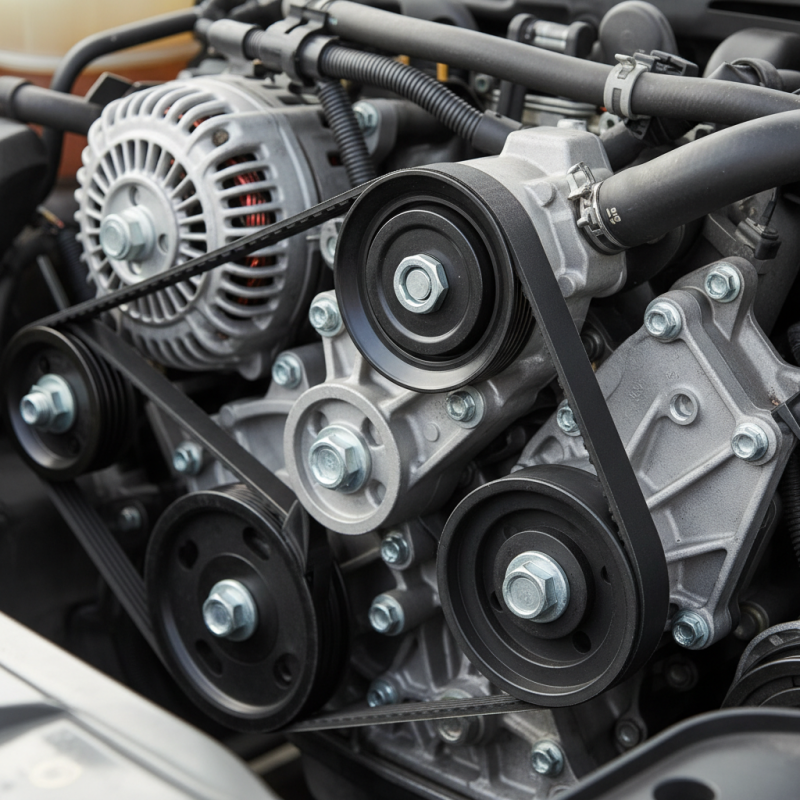
What is an Auto Belt Tensioner: Definition and Overview
An auto belt tensioner is a crucial component in modern vehicles. It maintains the proper tension on the engine's drive belts, ensuring optimal performance. Without a properly functioning tensioner, belts can slip or wear out quickly. This can lead to significant engine issues over time.
According to a recent industry report by the Automotive Maintenance Association, over 20% of vehicle breakdowns are related to worn or damaged belts and tensioners. Regular checks and maintenance can prevent these problems, extending the lifespan of belts by 50%. A functioning tensioner keeps belts tight, reducing vibrations that can cause premature wear.
Tip: Inspecting your belt tensioner every 30,000 miles can help. Look for signs of wear, such as a loose belt or unusual noises. If you notice any irregularities, it’s time for a replacement.
It's important to note that not all tensioners are created equal. Some may wear out faster than others, particularly in harsh conditions. Environmental factors, such as extreme temperatures and high humidity, can affect their longevity. Regular maintenance can save you from costly repairs in the long run.
Tip: Keep an eye on the tensioner's alignment. Misalignment can lead to belt damage and added stress on the engine components. If you see any misalignment, consult a professional mechanic immediately.
The Importance of Auto Belt Tensioners in Engine Performance
Auto belt tensioners play a crucial role in maintaining engine performance. These components ensure that the belts driving various engine accessories are kept at the right tension. When belts are loose, they can slip, leading to inefficient operation or even damage. A well-maintained tensioner can enhance vehicle reliability.
The importance of these devices extends beyond just performance. They also contribute to fuel efficiency. When belts are at optimal tension, they facilitate better power transfer from the engine to the accessories. This can lead to smoother operation and improved fuel economy. However, tensioners can wear out over time, causing potential issues that require attention. Regular inspections can help prevent unexpected problems.
Wear and tear on a tensioner may result in increased noise or vibrations. This indicates that it might need replacement. Drivers often overlook these signs, assuming they are normal engine noises. Addressing tensioner issues early can save money on repairs. Understanding how these components work encourages proactive maintenance for better engine health.
What is an Auto Belt Tensioner and How Does it Work? - The Importance of Auto Belt Tensioners in Engine Performance
| Feature | Description | Impact on Engine Performance | Common Issues | Maintenance Tips |
| Automatic Tension Adjustment | Maintains optimal tension on the belt | Ensures proper engine accessory operation | Belt slippage, wear, or breakage | Regular inspection of the tensioner and belt |
| Design and Mechanism | Utilizes spring and hydraulic mechanisms | Promotes smoother engine operation | Hydraulic leaks or loss of spring tension | Replace worn out components promptly |
| Role in Engine Performance | Keeps engine belts tight for efficiency | Increases fuel efficiency and power output | Increased noise, vibrations, or engine light | Follow manufacturer's recommended service intervals |
| Types of Tensioners | Mechanical and hydraulic variations | Different applications and performance characteristics | Incompatibility issues with replacements | Choose the correct type compatible with your engine |
How Auto Belt Tensioners Regulate Belt Tension: A Mechanical Insight
Auto belt tensioners play a crucial role in maintaining optimal tension in engine belts. These devices automatically adjust themselves to account for belt wear and thermal expansion. A well-maintained tensioner ensures that belts run smoothly and efficiently, preventing slippage and noise. According to industry reports, belt slippage can lead to a decrease in engine performance by up to 15%.
The mechanical design of auto belt tensioners typically incorporates a spring-loaded mechanism. This allows for real-time adjustments, which compensate for excessive vibrations and engine movements. Studies indicate that an under-tensioned belt can endure a lifespan reduction of 30%. This highlights the importance of regular inspection and timely replacements to safeguard engine health. Tensioners can wear out over time, causing over-tensioning or under-tensioning, both of which can lead to catastrophic failures.
Incorporating sensors in modern tensioners can enable advanced monitoring. This advancement provides valuable feedback to drivers and mechanics regarding belt conditions. Yet, the technology relies heavily on proper calibration and responsive maintenance practices. Exploring the balance between traditional mechanical tensioners and newer electronic systems presents a significant area for enhancement in automotive design.
Common Types of Auto Belt Tensioners and Their Applications
Auto belt tensioners are critical components in modern vehicles. They ensure that drive belts maintain the proper tension, which is vital for the proper operation of various engine accessories. There are a few common types of auto belt tensioners found in vehicles today.
The most prevalent type is the spring-loaded tensioner. This uses a spring mechanism to adjust tension automatically. It adapts to changes in belt length and elasticity during use. Another type is the hydraulic tensioner, which employs hydraulic fluid pressure to maintain tension. This type offers smoother operation and is often used in performance vehicles. There are also electronic tensioners that use sensors and motors for precision tension control, particularly beneficial in hybrid and electric vehicles.
When dealing with belt tensioners, regular maintenance is crucial. Keep an eye out for unusual sounds while driving. This could indicate wear or misalignment. Additionally, check for any signs of belt wear or fraying. Neglecting this can lead to more significant issues. If you're unsure, consult a professional for advice. Remember, a properly functioning tensioner can prevent breakdowns and maintain engine efficiency.
Signs of a Failing Auto Belt Tensioner and Maintenance Tips
A failing auto belt tensioner can lead to noticeable symptoms. Common signs include a squeaking noise from the engine bay. This indicates that the serpentine belt is slipping. A quick examination will reveal if the tensioner is loose or damaged. Such noises might be subtle at first but can grow louder over time, affecting performance.
According to industry reports, around 15% of vehicles suffer from tensioner-related issues annually. Many drivers overlook the tensioner's condition. This can lead to further engine complications. Regular visual inspections can help. Check for signs of wear on the belt and great tensioner. A tensioner should maintain proper tension to prevent excessive belt wear.
Maintenance is crucial for vehicle longevity. Replacing the tensioner every 60,000 to 100,000 miles is advisable. Keeping belts and pulleys clean extends their life. Use a soft brush to remove debris. Drivers must remain vigilant regarding strange noises and vibrations. A minor issue can lead to more extensive damage if ignored.
Auto Belt Tensioner Performance Analysis
This chart illustrates the tension force exerted by auto belt tensioners over time. The data represents the performance of a typical tensioner used in vehicles.