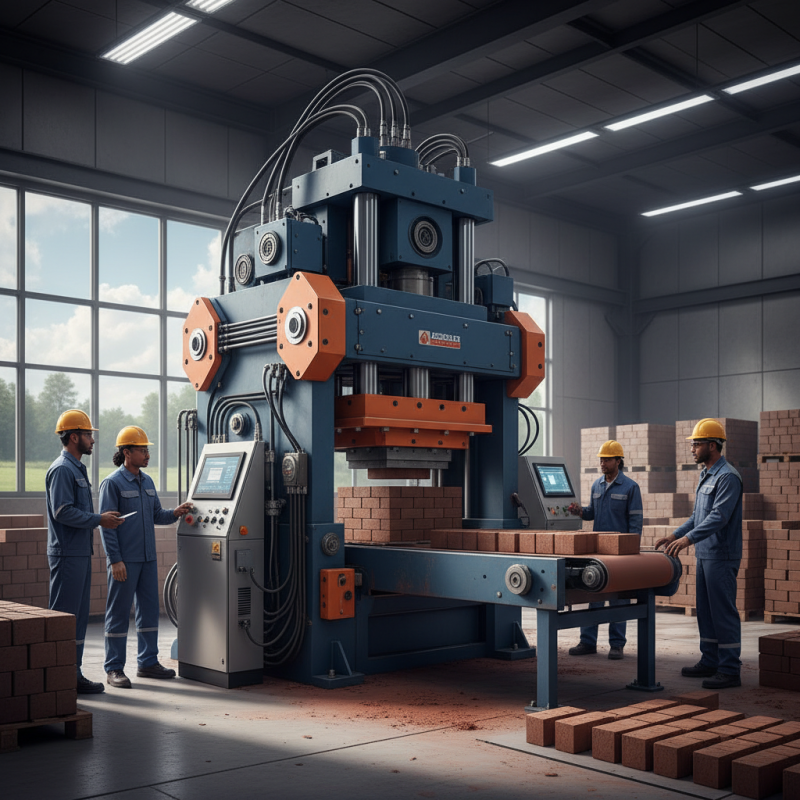
2026 Top Brick Compressor Buying Guide for Global Buyers?
In the world of construction and manufacturing, a reliable Brick Compressor is essential. These machines play a crucial role in optimizing production efficiency. As we look ahead to 2026, global buyers must navigate a competitive market filled with options.
Choosing the right Brick Compressor is not always straightforward. Factors such as size, power, and durability come into play. Many buyers underestimate these aspects, only to face issues later. It is vital to delve into specifications and user reviews before making a purchase.
Knowledge about various brands and models can empower buyers. Understanding your project’s unique requirements is paramount. The market continues to evolve, and trends shift rapidly. Reflecting on past experiences can guide smarter buying decisions. Ultimately, investing time in research can prevent costly mistakes. A well-informed choice leads to lasting satisfaction with your Brick Compressor.
Understanding Brick Compressors: Types and Functions
Brick compressors are essential tools in the construction and manufacturing industries. They compress bricks for strength and durability. Understanding the types and functions available is crucial for buyers globally.
There are mainly two types of brick compressors: mechanical and hydraulic. Mechanical compressors rely on manual force, which can be inefficient but cost-effective. Hydraulic compressors are more powerful and efficient but come at a higher cost. According to industry reports, the hydraulic compressor market is expected to grow by over 7% annually through 2026. This shift indicates the increasing preference for more effective equipment.
**Tip:** Always assess the volume of bricks you need to compress. High-demand environments may benefit more from hydraulic options.
Factors like pressure capacity and cycle speed matter, too. Pressure capacity affects the strength of compressed bricks. Cycle speed influences your production rate. Reports suggest that companies routinely evaluate these specs before purchasing. It's vital to balance performance with budget constraints.
**Tip:** Consider investing in training for your team. Well-trained staff can optimize compressor performance and lead to cost savings.
Choosing the right brick compressor can be daunting. Take the time to analyze your specific needs and conduct a thorough market study. Careful selection can lead to improved efficiency and quality in production.
2026 Top Brick Compressor Buying Guide for Global Buyers
| Type | Function | Capacity (tons) | Power Consumption (kW) | Weight (Kg) | Price Range (USD) |
| Hydraulic | Compression of clay bricks | 40 | 45 | 2000 | $15,000 - $20,000 |
| Mechanical | Solid bricks production | 30 | 30 | 1500 | $10,000 - $15,000 |
| Pneumatic | Lightweight bricks | 25 | 20 | 1200 | $8,000 - $12,000 |
| Electric | Automatic brick formation | 50 | 60 | 2500 | $18,000 - $25,000 |
Key Features to Consider When Buying a Brick Compressor
When selecting a brick compressor, key features play a critical role in ensuring efficient operation. Pay attention to the compressor's power output and efficiency. According to a report by Global Equipment Manufacturing, compressors with higher efficiency ratings can reduce energy costs by up to 20%. This not only impacts operating expenses but also the environmental footprint.
Next, consider the weight and portability of the unit. A lighter compressor is often easier to transport. However, the trade-off may come in stability during operation. Many users report that excessively lightweight models can vibrate and cause uneven compaction. Lastly, checking the build quality and durability is vital. Some reports highlight that over 30% of compressors fail due to inadequate materials used in construction.
Tips for your purchase: Always verify warranty terms for the compressor. A good warranty can cover unforeseen issues that arise. Additionally, consult user reviews to identify any common problems associated with specific models. These insights can reveal potential shortcomings not highlighted in the product specifications.
Top Brands and Manufacturers of Brick Compressors in the Market
When exploring the market for brick compressors, it's crucial to identify top brands and manufacturers. The right choice can boost efficiency and ensure quality production. In recent years, several companies have gained prominence due to their innovative designs and reliable performance. These manufacturers focus on durability and user-friendly features, which are essential for various applications in construction.
Quality is not just about high-tech features. Many buyers appreciate brands that prioritize customer support and long-lasting machines. While some companies excel in technology, others are known for their robust customer service. Finding a balance between reliable machinery and excellent support can make a significant difference in your buying experience.
Additionally, while discussing these leading brands, there’s always the risk of overestimating their capabilities. Not every model is perfect, and there may be flaws or limitations in performance. Some users report issues like maintenance difficulty or durability concerns. It's essential to research and reflect on these experiences to make informed decisions. Understanding the strengths and weaknesses of different brick compressors helps buyers choose wisely in a competitive market.
Cost Analysis: Budgeting for a Brick Compressor Purchase
When considering the purchase of a brick compressor, cost analysis is vital. These machines have diverse price ranges, influenced by capacity, efficiency, and features. Buyers should develop a budget that accommodates not just the initial costs but ongoing maintenance as well. A machine may be cheaper upfront but could incur high operational costs over time.
Understanding the total cost of ownership is essential. Aside from purchase prices, factors like power consumption, repair expenses, and potential downtime can significantly affect your budget. Research indicates that many buyers overlook these aspects, leading to unexpected financial strains. The longevity and reliability of a brick compressor also play a crucial role in cost-effectiveness. Decisions based solely on price may lead to regrettable choices.
Buyers should consider consulting experts or peers in the industry to gain insights. Evaluating long-term benefits versus initial costs provides a clearer picture. Investing time in this analysis can lead to more informed decisions, ultimately saving money and improving operational efficiency. Remember, proactive planning can make a substantial difference in your overall investment success.
Maintenance Tips for Extending the Lifespan of Your Brick Compressor
Maintaining a brick compressor requires attention and care. Regularly check the oil levels to ensure smooth operation. Changing the oil at the manufacturer-recommended intervals avoids potential engine damage. Filters should be cleaned or replaced frequently. A clean filter ensures optimal airflow and efficiency.
Monitor the cooling system closely. Overheating is a common issue that can lead to breakdowns. Ensure coolant levels are adequate. If temperatures rise more than normal, find the cause immediately. This could be a blockage or a malfunctioning pump. Ignoring signs of overheating can shorten the compressor's lifespan.
Cleaning the exterior of the compressor is crucial as well. Dust and debris can accumulate, affecting performance. While this task may seem minor, neglect can lead to bigger problems. Perform routine inspections and listen for unusual noises. These may signal issues that need addressing. Taking proactive steps enhances reliability and extends life.