2026 Top Aluminium Window Manufacturing Equipment for Buyers
Choosing Aluminium Window Manufacturing Equipment in 2026 is less about buying the fastest machine and more about matching equipment to real production needs. A small workshop may value flexible setup and compact floor space. A high-volume plant may need automated cutting, machining, and material handling. The right choice depends on window profiles, order sizes, operator skills, and available service support.
Taiichi Ohno, a pioneer of the Toyota Production System, is often credited with the reminder, “Without standards, there can be no improvement.” That principle matters when comparing double-head saws, CNC machining centers, corner crimpers, and end milling machines. Buyers should check measurable details: cutting tolerance, cycle time, tooling changes, software compatibility, and access to replacement parts. Ask for a live demonstration using your own aluminium profiles. A polished showroom sample is not enough.
This guide reviews equipment categories, practical selection criteria, and common purchasing trade-offs. It also considers training, maintenance, and the space needed around each machine. These details can decide whether a line runs smoothly or spends too much time waiting for adjustments. A higher level of automation may reduce repetitive handling, but it can also add setup demands and service costs. Not every factory needs the most advanced configuration. And a low purchase price can be misleading. Buyers should compare the full operating picture, then confirm important claims in writing. Machine performance varies with profile design, tooling, and operator practice. That caveat deserves attention.
Aluminium Window Manufacturing Equipment: Core Functions and Workflow
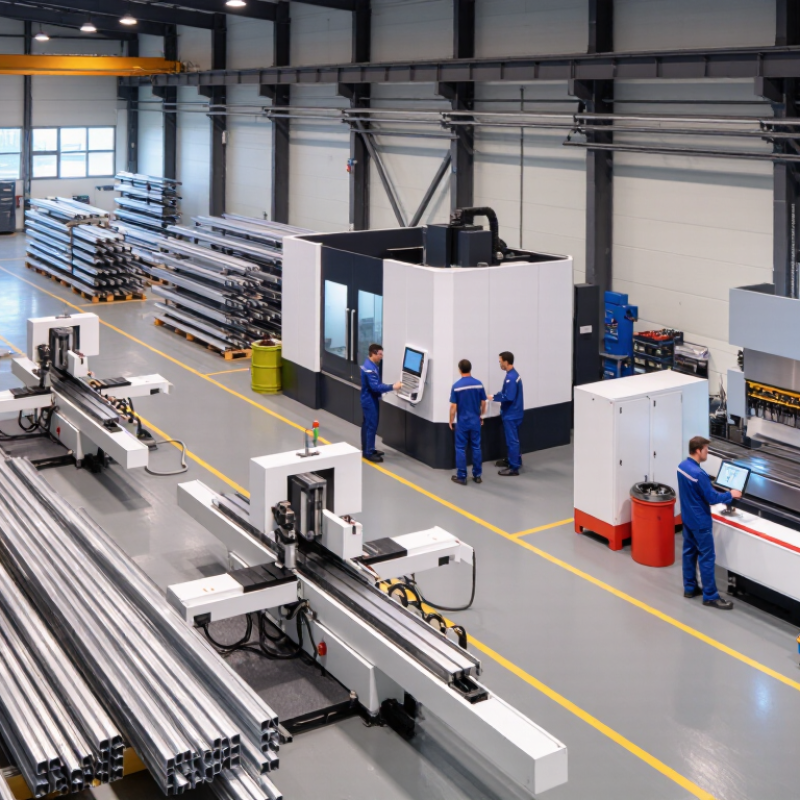
Aluminium window manufacturing equipment turns profile bars into fitted frames through a sequence of cutting, machining, assembly, and inspection. A double-head saw cuts profiles to length and angle. CNC machining equipment can mill drainage slots, lock pockets, and hardware holes. End milling prepares joints, while corner-crimping equipment joins frame sections. Operators then fit gaskets and hardware before checking dimensions and operation. Small errors travel. A badly positioned slot can affect drainage or hardware alignment, so each process needs clear settings and checks.
Tips: Confirm profile dimensions and cutting angles before production. Label batches to keep frame parts together. Keep blades and clamps clean; worn tools can leave rough edges. These checks are simple, but easy to skip during a busy shift.
The workflow is not identical for every window system. Equipment settings should match the profile drawings, material thickness, and required tolerances. Measure sample frames before running a full batch, then record any adjustments. A fast line is useful only when its output fits consistently. Even with automated machining, operators should inspect corners, openings, and hardware movement. Some setup choices may need refinement after real production runs. That is not failure; it is useful feedback for improving the process.
Essential Machines for Cutting, Milling, Drilling, and Assembly
2026 Top Aluminium Window Manufacturing Equipment for Buyers
Essential Machines for Cutting, Milling, Drilling, and Assembly
A reliable aluminium window line starts with accurate cutting. Double-head saws need stable profile supports, secure clamps, and clear measuring stops; even a small shift can leave a visible joint gap. CNC machining centers then mill drainage slots and drill hardware holes. Check how quickly operators can change tools and reposition profiles, not just the machine’s advertised speed. Fast is useful. Repeatable is better.
Corner crimpers, end-milling machines, and assembly benches complete the core workflow. Buyers should test a full profile through every operation, including chip removal and transfer between stations. The International Energy Agency’s 2023 tracking report estimates that building operations account for about 30% of global final energy use. That figure does not prove a particular machine improves building efficiency, but it underscores why consistent window fabrication matters. The International Aluminium Institute reports that recycled aluminium production uses about 5% of the energy required for primary production. So, measure and sort offcuts carefully. In practice, however, scrap handling is often less tidy than a showroom demonstration suggests.
Automation and Quality-Control Systems in Modern Production
2026 Top Aluminium Window Manufacturing Equipment for Buyers
Automation and Quality-Control Systems in Modern Production
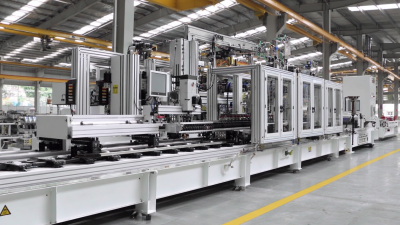
Modern aluminium window production depends on more than fast cutting. Integrated equipment can connect profile cutting, corner joining, routing, and material handling, reducing manual transfers between stations. A barcode or job code can carry dimensions and order details to the saw. Less retyping means fewer avoidable errors. Still, automation only works when input data is clean; a wrong measurement can travel quickly through the line.
Quality control should be built into each stage, not left to a final inspection table. Sensors can check saw length and blade position, while cameras or gauges inspect drainage slots, hardware holes, and surface defects. On a busy shift, operators should verify sample pieces after tool changes and record calibration checks. Small checks matter. Measurement records also help trace recurring problems, such as chipped edges from a worn blade or inconsistent corner pressure.
For buyers comparing 2026 equipment, ask to see a full production trial using profiles similar to your own. Review changeover time, reject rates, data access, and how alarms guide an operator. A polished dashboard is not proof of accuracy. Maintenance access matters too: a sensor hidden behind guards may be skipped when schedules tighten. No line removes judgment. Skilled operators still catch oddities that a camera misses, and that gap deserves attention.
How to Compare Equipment Capacity, Precision, and Compatibility
For 2026 buyers, aluminium window equipment should be judged by real production needs, not headline speed. Compare rated output with your typical frame size, profile thickness, and daily order mix. A machine quoting 40 cycles per hour may slow down when operators change profiles or handle awkward lengths. Ask for a timed demonstration using your own sample profiles. That matters.
Precision affects more than appearance. Check cut-angle consistency, corner alignment, and repeatability across several test pieces. Request measurement records, and inspect finished frames for gaps or rough edges. A small deviation can cause trouble during assembly or installation. Still, one test run is not proof of long-term performance; request maintenance and service-life information, too.
Compatibility includes software, tooling, power requirements, and connections to existing workstations. Confirm which profile shapes and dimensions the machine supports, then check whether your current cutting or assembly process can feed it smoothly.
Tips: Bring sample profiles and a typical job file to the supplier’s demonstration. Record changeover time, test multiple cuts, and ask what happens when the machine needs adjustment. Leave room for doubt; a neat showroom setup may not match a busy workshop.