2026 Top Peach Tofu Cat Litter Supply Trends for Buyers?
The pet care industry is evolving rapidly, and the demand for innovative products is skyrocketing. Among these, Peach Tofu Cat Litter Supply options are gaining significant attention. This eco-friendly litter made from natural ingredients is appealing to many cat owners. It offers a blend of sustainability and effectiveness.
As buyers look for reliable litter choices, understanding the supply trends is crucial. From sourcing methods to consumer preferences, various factors are shaping the Peach Tofu Cat Litter market. There are growing concerns about environmental impact. Many people are seeking alternatives to traditional clay litters.
The appeal of Peach Tofu Cat Litter lies not just in its sustainability. It's also about quality and performance. However, with limited suppliers, the market faces challenges. As trends evolve, companies must adapt to meet consumer needs. This creates opportunities for buyers to make informed choices. Understanding these trends ensures you find the best options available.
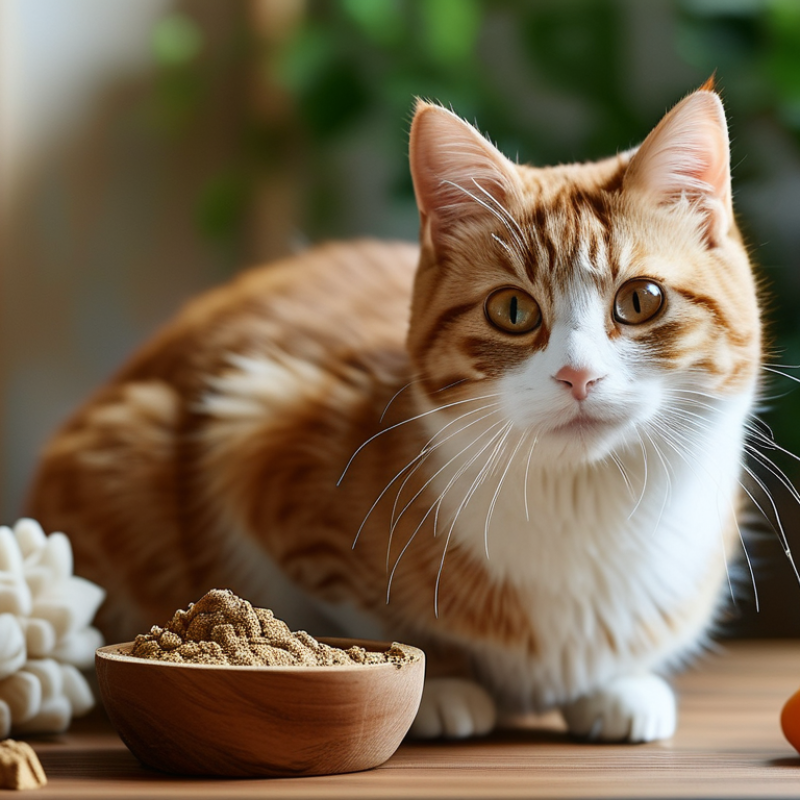
Emerging Trends in Peach Tofu Cat Litter for 2026
The cat litter market is evolving, and 2026 shows promise for peach tofu cat litter. This eco-friendly option is gaining traction among pet owners. According to recent data from market research, the demand for biodegradable cat litter has risen by 25% over the last two years. This shift reflects an increased awareness of sustainable choices.
Peach tofu cat litter stands out due to its unique properties. Many users appreciate its excellent absorption capabilities. Reports indicate that peach tofu litter can absorb moisture up to three times better than traditional clay litters. Additionally, its natural peach scent helps control odors effectively. However, some users have expressed concerns about the pricing compared to non-biodegradable alternatives. This presents a challenge for manufacturers in balancing sustainability with affordability.
Emerging trends indicate a focus on packaging innovations and improved formulations. Brands are exploring biodegradable packaging options, which could further appeal to environmentally conscious consumers. Yet, the challenge remains for companies to ensure product performance meets or exceeds traditional litter standards. As buyers look for reliable, effective solutions, the future of peach tofu cat litter will depend on continuous improvements and consumer feedback.
Benefits of Peach Tofu Cat Litter Over Traditional Options
Peach tofu cat litter is gaining popularity among pet owners. Its organic materials make it an appealing alternative to traditional litters. Unlike clay litters, peach tofu is biodegradable and less harmful to the environment. This means your feline friend can enjoy a cleaner and safer living space.
When comparing peach tofu to standard options, several benefits emerge. Peach tofu absorbs moisture effectively, keeping the litter box dry. Its natural ingredients help control odor without chemicals. Many users appreciate that it's softer on cats' paws, encouraging them to use the litter box more comfortably.
However, some concerns persist. The texture might not appeal to every cat. Transitioning from clay to peach tofu can take time for some pets. Owners should introduce it gradually and observe their cats' reactions. While several advantages exist, it’s important to recognize that everyone’s experience may vary. Adjustments may be necessary and patience is essential in this process.
Sustainability and Environmental Impact of Peach Tofu Cat Litter
Peach tofu cat litter is an eco-friendly option gaining popularity among cat owners. Unlike traditional clay litters, it's made from natural ingredients, promoting sustainability. This type of litter biodegrades faster, reducing landfill waste. The environmental impact is significant; fewer non-renewable resources are used in production.
When considering peach tofu cat litter, it's crucial to evaluate its sourcing. Not all products are created equal. Look for brands that prioritize sustainable practices throughout their supply chain. Also, consider the production process to ensure it doesn’t harm local environments.
Tips: Always check for certifications or eco-labels on packages. They can guide you to truly sustainable products. Moreover, conduct a smell test. Some peach tofu litters may have added scents that are overwhelming. Ensure it suits both you and your feline friend. Embrace this change, but remember to reflect on how these choices can shape your pet's health and the planet's future.
Market Analysis: Demand and Supply Dynamics for 2026
As the demand for pet products grows, understanding supply dynamics becomes crucial. In 2026, the peach tofu cat litter market is expected to see significant shifts. Recent reports suggest a surge in eco-friendly products, with an increase of up to 15% in consumer preference for sustainable options. This trend aligns with a growing awareness of environmental sustainability among pet owners.
Moreover, supply chain disruptions have influenced market availability. Manufacturers are striving for a balance between quality and quantity. Production costs have risen by approximately 8% due to raw material scarcity. A notable challenge remains in sourcing high-quality tofu; the supply chain needs evaluation. With a projected increase in demand, producers must adapt swiftly.
Market analysts indicate that localization of production could enhance supply reliability. Collaborating with local suppliers may mitigate import risks. However, some areas lack sufficient facilities. The industry's evolution hinges on addressing these gaps effectively. Continuous improvement in both production and distribution processes is imperative for meeting future demands in cat litter technology.
Consumer Preferences: What Buyers Look for in Cat Litter Choices
When choosing cat litter, consumers are increasingly focused on natural materials. Peach tofu cat litter is gaining popularity due to its biodegradable properties. Many buyers are eager to support sustainable products. This eco-friendly option aligns with their values and reduces landfill waste.
Scent is another critical factor. Buyers often prefer litters with subtle, pleasant fragrances. Strong chemical odors can deter both pets and their owners. Additionally, texture matters. Cats have preferences that should not be ignored. A product that mimics the feel of soil or sand is usually favored.
Price does influence many purchasing decisions. However, some buyers are willing to pay more for high-quality litter. They prioritize safety for their pets. Yet, not everyone is aware of the long-term benefits of investing in a premium product. Sometimes shoppers choose based on immediate cost rather than overall quality. This mindset can lead to recurring issues with odor or trackability. Ultimately, understanding these preferences can guide better choices for both consumers and manufacturers alike.
2026 Top Peach Tofu Cat Litter Supply Trends for Buyers