
10 Best Quick Coupling Connector Manufacturers?
Choosing the right Quick Coupling Connector manufacturer affects safety, uptime, maintenance speed, and operating costs. A connector may look like a small metal part, yet its seal, locking sleeve, and pressure rating can determine whether a system performs reliably.
This guide examines 10 leading manufacturers through practical purchasing criteria. These include material quality, connection design, flow capacity, pressure performance, corrosion resistance, and product consistency. It also considers technical documentation, customization support, testing procedures, and global service coverage. A trustworthy supplier should clearly state operating limits, compatible fluids, temperature ranges, and replacement requirements. Certifications can support confidence, but they should never replace careful technical verification.
Real performance matters.
A polished catalog is not proof of long-term reliability. Field conditions may include vibration, dust, frequent reconnection, chemical exposure, or sudden temperature changes. Manufacturers with strong engineering experience usually explain how their couplings perform under these pressures. They also provide usable installation guidance, traceable quality records, and responsive after-sales support. Still, no ranking can suit every application. A connector designed for agricultural equipment may not fit a laboratory system or high-cycle industrial line. Buyers should confirm thread standards, sealing materials, working pressure, and safety requirements before ordering. Some comparisons remain imperfect because public data differs between brands. That limitation deserves attention. The goal is not to promote one universal winner, but to identify manufacturers that demonstrate dependable design, verified production, and practical customer support. The following overview offers a careful starting point for engineers, distributors, and maintenance teams seeking a suitable connection solution.
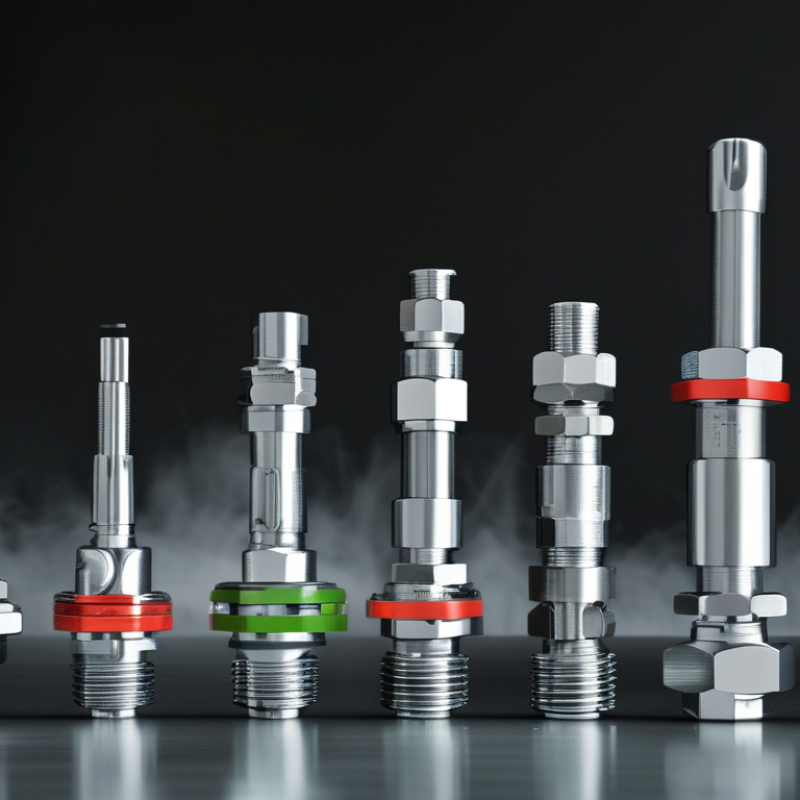
What Are Quick Coupling Connectors and How Do They Work?
Quick coupling connectors join fluid or pneumatic lines without requiring tools for every connection. They use matched male and female halves, internal valves, and a locking sleeve. When the halves meet, the valves open and create a continuous flow path. When disconnected, the valves close to limit leakage and contamination.
In practical maintenance work, a clear click is useful, but it is not proof of a safe connection. I check the sleeve, inspect the seal, and confirm that pressure is released before separation. Even a small particle can damage an O-ring or prevent full engagement. Some connectors also include automatic shutoff valves, which reduce fluid loss during servicing.
Choosing a coupling requires more than matching thread size. The working pressure, temperature, flow rate, media compatibility, and connection frequency all matter. A connector rated for water may perform poorly with oil, chemicals, or abrasive fluids. I have seen specifications treated as absolute, although real installations add vibration, side loading, and heat. That is where selection becomes less certain. A reliable design should also resist accidental release and allow easy inspection. Regular cleaning and seal replacement help preserve performance, especially in dusty workshops or mobile equipment.
10 Best Quick Coupling Connector Manufacturers? - What Are Quick Coupling Connectors and How Do They Work?
| No. | Quick-Coupling Category | Connection Mechanism | Typical Applications | Typical Working Pressure | Common Materials | Main Advantages | Important Selection Factors |
|---|---|---|---|---|---|---|---|
| 1 | Hydraulic Poppet Coupling, ISO 7241 Series A | Sleeve-operated connection with poppet valves that open when the halves are joined. | General hydraulic equipment, agricultural machinery, mobile machinery, and attachments. | Approximately 100–350 bar, depending on size and design. | Zinc-plated or stainless steel; nitrile, fluorocarbon, or polyurethane seals. | Interchangeable design, broad availability, and reliable general-purpose service. | Size compatibility, pressure drop, contamination control, seal compatibility, and residual pressure. |
| 2 | Hydraulic Poppet Coupling, ISO 7241 Series B | Ball-lock sleeve mechanism with poppet valves for hydraulic flow control. | Industrial hydraulic circuits, construction equipment, and replaceable hydraulic tools. | Approximately 100–300 bar, depending on nominal size and construction. | Carbon steel, stainless steel, and elastomeric seals selected for the fluid. | Compact form, quick manual operation, and common industrial configurations. | Interchangeability, locking sleeve protection, flow capacity, and hose routing. |
| 3 | Flat-Face Hydraulic Coupling, ISO 16028 | Flat sealing faces connect through a sleeve or threaded locking system while minimizing fluid loss. | High-pressure mobile hydraulics, construction equipment, forestry machinery, and quick-change tools. | Approximately 200–450 bar, depending on size and pressure class. | Hardened steel or stainless steel with nitrile or fluorocarbon seals. | Low spillage, reduced air inclusion, easy cleaning, and good resistance to contamination. | Connection under residual pressure, face cleanliness, pressure rating, and ease of maintenance. |
| 4 | Screw-to-Connect Hydraulic Coupling, ISO 14540 | Male and female halves are mechanically threaded together before the valves open. | Very high-pressure hydraulic systems, jacking equipment, and heavy-duty industrial tools. | Approximately 350–700 bar, depending on size and design. | High-strength steel, corrosion-resistant coatings, and high-pressure elastomeric seals. | Strong mechanical connection, high pressure capability, and resistance to accidental separation. | Thread condition, tightening torque, connection time, pressure rating, and hose movement. |
| 5 | Dry-Break Coupling | Self-sealing valves open during connection and close before separation to limit leakage. | Chemical transfer, fuel handling, pharmaceutical processing, and coolant systems. | Commonly 10–350 bar, with application-specific designs outside this range. | Stainless steel, aluminum, brass, engineered plastics, and chemically resistant seals. | Very low spillage, reduced vapor release, and improved operator safety. | Chemical compatibility, leakage limits, cleanability, temperature, and regulatory requirements. |
| 6 | Cam-and-Groove Coupling, EN 14420-7 | Cam arms on the female half engage with an adapter on the male half without tools. | Water, fuel, chemicals, powders, agricultural fluids, and temporary hose assemblies. | Usually up to approximately 10–20 bar, depending on size, material, and service. | Polypropylene, aluminum, brass, stainless steel, and PTFE or elastomeric seals. | Fast tool-free operation, simple inspection, and good hose-transfer flexibility. | Media compatibility, cam-arm locking, hose whip prevention, pressure, and temperature. |
| 7 | Pneumatic Plug-in Coupling | A plug is inserted into a spring-loaded socket and retained by locking balls or a sleeve. | Compressed-air tools, automation equipment, air preparation units, and workshop systems. | Typically 7–16 bar for compressed-air service. | Nickel-plated brass, steel, stainless steel, acetal, and nitrile seals. | Fast connection, compact size, low cost, and broad pneumatic compatibility. | Air-flow capacity, coupling profile, working pressure, noise, and hose size. |
| 8 | Push-to-Connect Pneumatic Coupling | A push-button or sleeve releases the plug, while an internal valve controls the air path. | Assembly lines, robotic tooling, laboratory air, and frequently changed pneumatic circuits. | Typically 6–15 bar, subject to the coupling profile and material. | Engineering plastics, brass, stainless steel, and elastomeric sealing elements. | One-handed operation, quick release, and convenient installation in confined spaces. | Tube size, release-force safety, flow restriction, seal life, and accidental-disconnect protection. |
| 9 | Thermoplastic Hose Quick Coupling | Push-in, barbed, or sleeve-retained coupling designed for flexible polymer tubing. | Water lines, beverage equipment, medical devices, instrumentation, and low-pressure cooling systems. | Commonly 3–20 bar, depending on tubing, temperature, and fitting design. | Acetal, polypropylene, PVDF, brass, stainless steel, silicone, and EPDM seals. | Lightweight construction, clean routing, simple assembly, and suitability for small tubing. | Tubing outside diameter, fluid purity, temperature, sterilization, and material compatibility. |
| 10 | Multi-Line Quick Coupling | Several fluid, electrical, or signal connections are joined through one guided coupling interface. | Mold tooling, test equipment, battery systems, robotics, and interchangeable production fixtures. | Usually 10–350 bar for fluid circuits; electrical and signal ratings vary by configuration. | Anodized aluminum, stainless steel, plated steel, engineering polymers, and copper contacts. | Reduced connection time, organized interfaces, and fewer individual hose or cable operations. | Keying, alignment, cross-connection prevention, contact rating, maintenance access, and cycle life. |